



Al Padiglione Israele, Rose of Nothingness intreccia acqua, memoria e tradizione cabalistica in un’installazione da attraversare, tra identità nomade e desiderio di appartenenza
Artslife ha incontrato l’artista romeno israeliano al centro delle controversie che hanno portato alla dimissione della giuria della 61 Biennale di Venezia
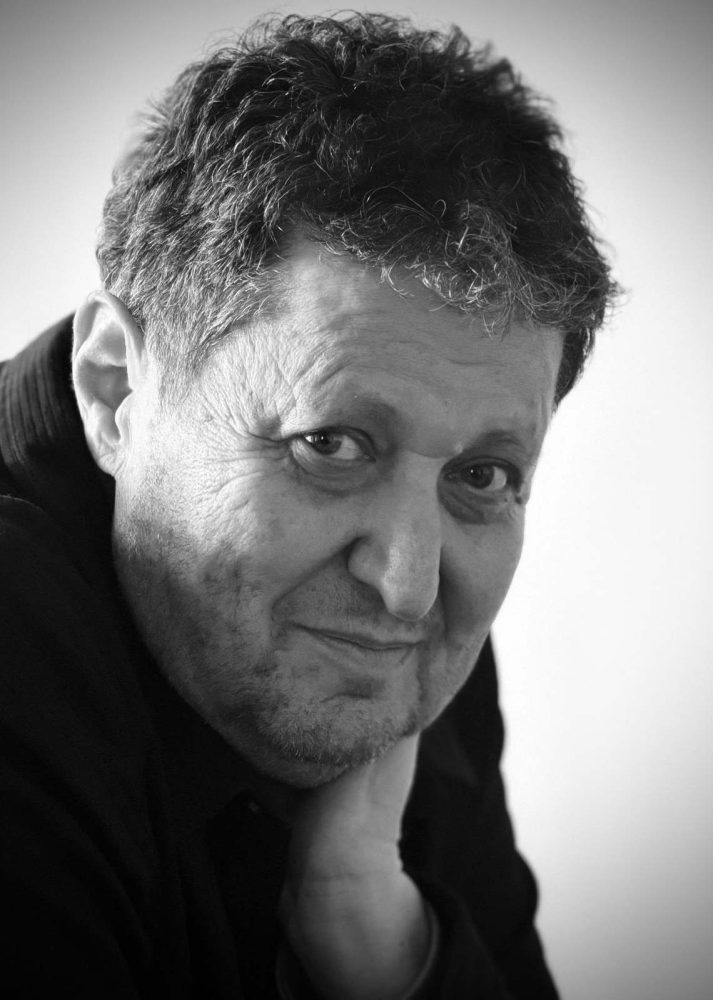
Mi chiamo Belu-Simion Făinaru. Sono l’artista che rappresenta Israele quest’anno al Padiglione Israeliano, con un’installazione intitolata Rose of Nothingness. Sono anche curatore, direttore e fondatore della Mediterranean Biennale in Israele e professore d’arte all’Università di Haifa.
Qual è l’impatto della filosofia e delle tradizioni mistiche sul suo lavoro?
Il mio lavoro è profondamente legato alla mia identità ebraica e alla filosofia che ne deriva. Sono molto influenzato dai testi della Kabbalah e cerco di tradurre visivamente, nel linguaggio dell’arte contemporanea, qualcosa che per sua natura è invisibile. Nella tradizione cabalistica, infatti, ciò che conta davvero non si vede. E rendere visibile l’invisibile è, forse, la sfida più difficile.
Entriamo nell’opera. L’acqua è il cuore dell’installazione.
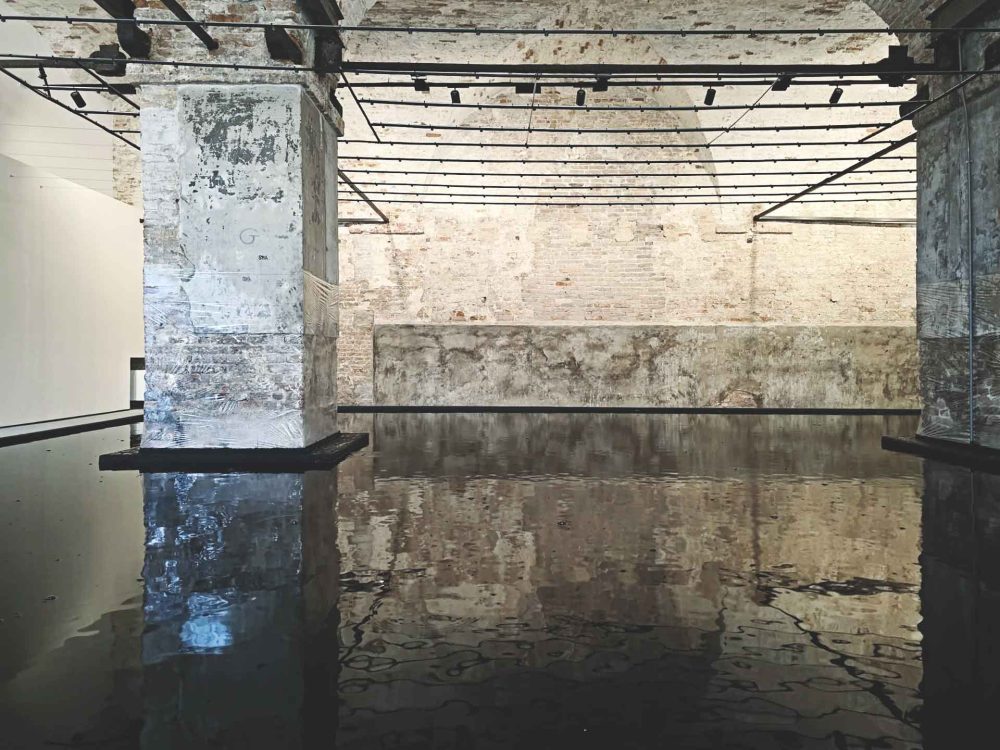
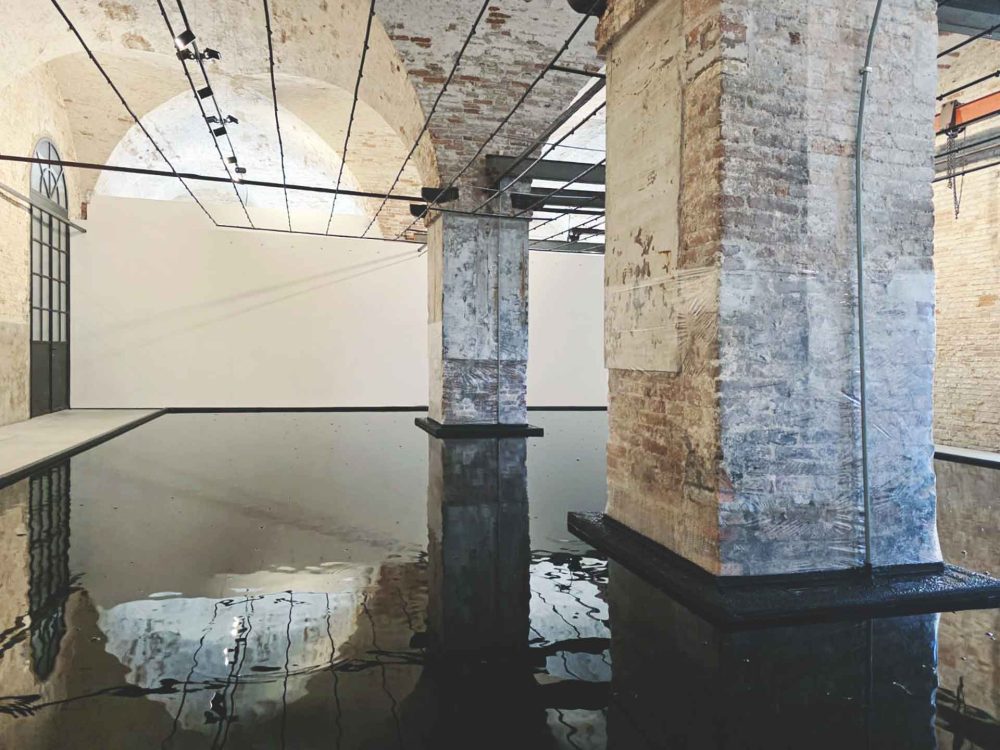
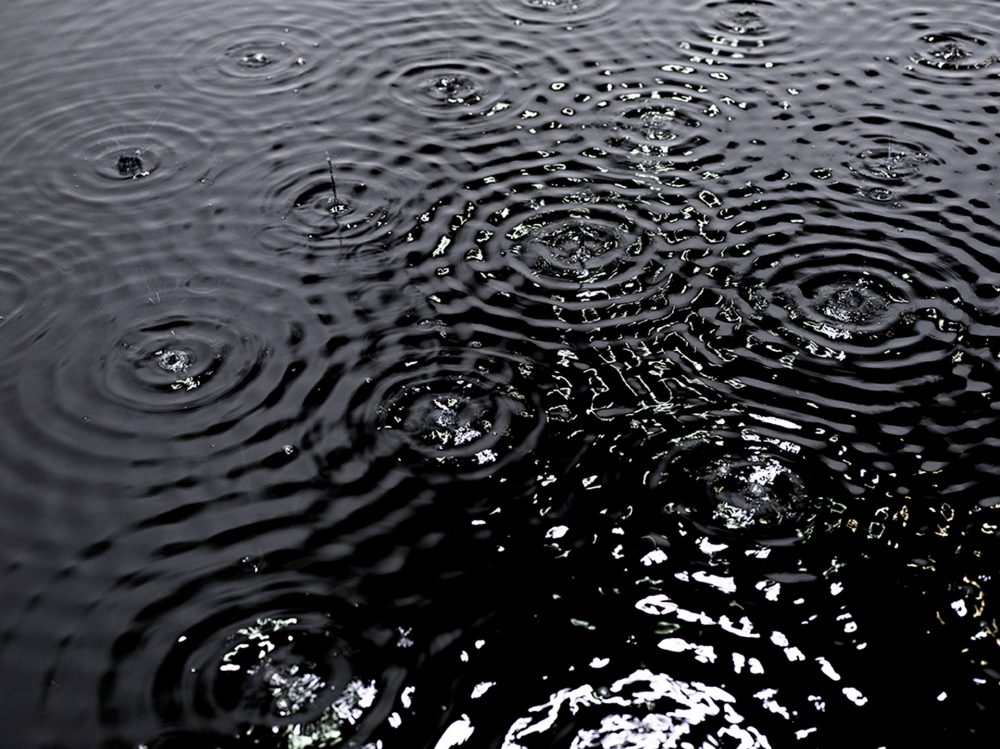
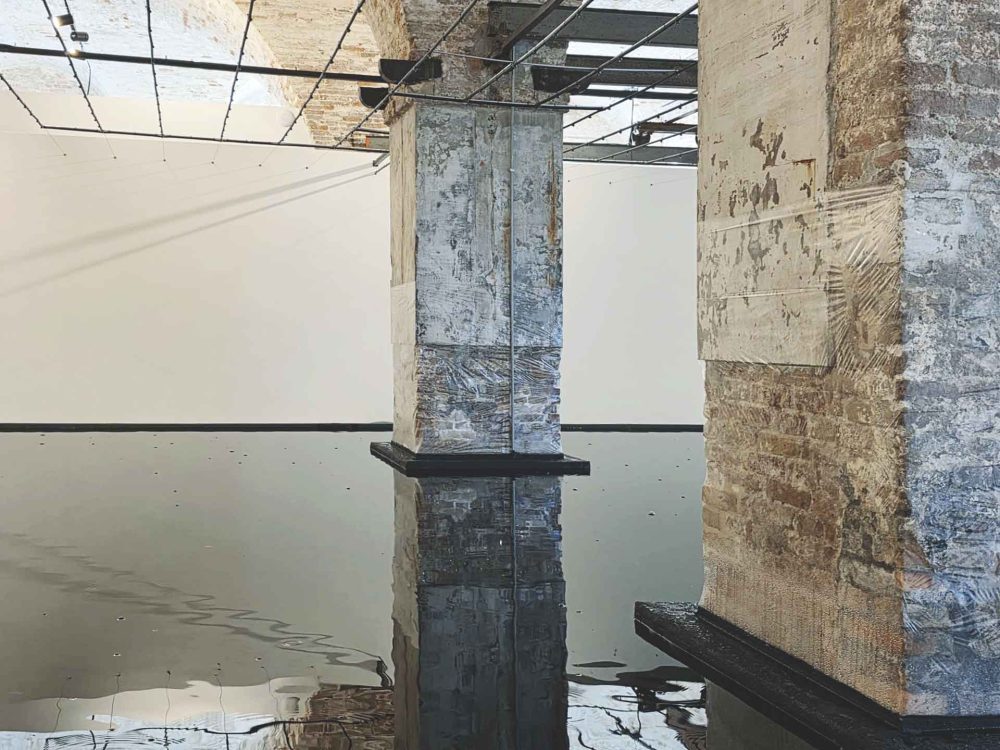
Sì, è un’installazione sull’acqua. E non è una scelta casuale: siamo a Venezia, una città costruita sull’acqua. L’acqua è l’origine della vita, ma è anche una risorsa rara e preziosa. Ho utilizzato un sistema ispirato alle tecnologie sviluppate in Israele per l’agricoltura nelle zone desertiche. Qui l’acqua emerge, “fiorisce”. E queste fioriture possono essere lette in modi diversi: come segni di felicità o di dolore. C’è anche una relazione tra alto e basso: quando l’acqua sgorga, diventa una superficie riflettente, uno specchio. Puoi vedere te stesso e, allo stesso tempo, lo spazio che ti circonda. È un’opera che va attraversata: bisogna camminare, ascoltare, sostare.
Il tempo sembra avere una presenza silenziosa ma costante. Penso all’orologio che scorre all’indietro.
Il tempo, per me, è sempre legato alla memoria. E nella cultura ebraica la memoria è essenziale: senza memoria non possiamo sopravvivere. Venezia, in questo senso, è un luogo simbolico. Qui, nel XVI secolo, è stato stampato per la prima volta il Talmud. Prima era solo trasmissione orale; poi diventa libro, forma, qualcosa che unisce le persone nel tempo e nello spazio. Nel mio lavoro, la superficie centrale è come una pagina del Talmud — ma senza parole. Al loro posto ci sono gocce d’acqua. È una pagina astratta.
I lucchetti disseminati agli angoli dello spazio espositivo?
Contengono frammenti. Alcuni vengono dalla Torah, altri sono pensieri. “Amerai il tuo prossimo come te stesso.” “Devi essere felice.” “Tutto andrà bene.” Sono desideri, più che affermazioni. Direzioni possibili.
Cosa rappresenta il bicchiere con l’uovo e la piccola barchetta?
È un piccolo mondo. L’universo dell’infanzia.. Come diceva Constantin Brâncuși: se non sei un bambino, non sei un artista. Dobbiamo conservare quella purezza, quella capacità di guardare senza sovrastrutture. L’uovo rappresenta la creazione. La barca, il passaggio del tempo. Sull’uovo è scritto: “Non appartiene a nulla e a nessuno.” È una condizione nomade.
Questa idea di nomadismo attraversa anche la sua biografia.
Sì. Sono nato in Romania, vivo in Israele, ho studiato negli Stati Uniti, ho vissuto a Milano. Ho più identità. Mi sento vicino al poeta Paul Celan: anche lui aveva molte identità, scriveva in tedesco, viveva in Francia. Non apparteneva a un solo luogo. Questa mobilità è anche il senso dell’opera: essere sempre in transito, sempre all’inizio di qualcosa.
C’è un elemento molto intimo: “Gerusalemme in tasca”.
Sì. È terra di Gerusalemme contenuta in un piccolo oggetto. Per secoli, nella tradizione ebraica, il ritorno a Gerusalemme è stato un desiderio impossibile. Portare quella terra vicino al cuore significa non perdere quel legame, anche quando non puoi raggiungerlo.
Non possiamo evitare la dimensione più controversa: il Padiglione Israele, oggi.
Io non accuso nessuno. Chiedo semplicemente di essere trattato come un artista. Non sono un politico. Il mio lavoro può essere discusso, criticato, interpretato — ma come lavoro artistico, non attraverso il filtro del passaporto. Ho rappresentato la Romania nel 2019 e non c’erano questioni. Vorrei che fosse lo stesso anche ora.
Oggi, più che mai, il giudizio passa dal pubblico.
Sì. Penso che questa sia una buona installazione. Spero che le persone possano sentirla, attraversarla davvero. E, se accade, che vogliano sostenerla.
***
Artslife met with the Romanian-Israeli artist at the center of the controversy that led to the resignation of the jury of the 61st Venice Biennale.
My name is Belu-Simion Făinaru. I am the artist representing Israel this year at the Israeli Pavilion at the Venice Biennale, with an installation titled “Rose of Nothingness.” I am also an artist, curator, director, and one of the founders of the Mediterranean Biennale in Israel, and a Professor of Art at the University of Haifa.
How do Jewish philosophy and the tradition of Jewish mysticism influence your work?
I believe my work is directly linked to my identity as a Jewish artist and to Jewish philosophy. I am strongly influenced by Kabbalah – its texts and theory, and I strive to translate them into a visual language within the context of contemporary art. In the Kabbalistic tradition, many of the most important things are not visible. The challenge lies in drawing closer to what is invisible, even if it is difficult to grasp or touch.
Let’s take a closer look at your installation, starting with the water sculpture, which serves as its centerpiece. Could you tell us more about this and your relationship with the poet who inspired it?
First and foremost, this is an installation centered on water. It’s no coincidence, given that Venice is a city built on water. Water is the source of life, which is why I chose to work with it. I use a system inspired by agricultural technologies developed in Israel for desert regions. Water is a scarce resource, and here I use it as a system that releases droplets. These droplets can be interpreted as tears—tears of happiness or tears of sadness. There is also a relationship between the Upper World and the Lower World. When the water flows, the basin becomes a reflective surface, like a mirror. You can see yourself and the surrounding architecture reflected within it. The installation is designed to be experienced by walking through it, listening to the sound of the water, and sensing—even smelling—the water as it falls.
In your work, the relationship with time is also very important. For example, there is a clock that runs backward.
Yes. Time is linked to memory, and memory is deeply connected to Jewish culture. Memory is a fundamental element of this culture. Without memory, we cannot survive. I would also like to mention that the Babylonian Talmud was first printed in Venice. It is one of the most important books, containing Jewish law. It was printed in the 16th century, with permission granted by Pope Leo X, who reversed the long-standing practice of censoring or suppressing it. For the first time, these laws ceased to be transmitted exclusively orally and took written form. The book has become a sort of territorial space, uniting Jewish communities over the centuries and in different places, even without a physical territory. I refer to the basin in my installation as a sort of page from the Talmud, but composed not of written words, but of droplets of water. It is an abstract page.
And what about the little “padlocks” we find inside the structure?
The padlocks contain short phrases related to the installation. Some come from the Torah. One reads: “Love your neighbor as yourself.” It’s a kind of wish I’m expressing through the work. Another says, “You must be happy,” because I believe it is essential to preserve happiness. And another reads: “Everything will be OK.”. These are my wishes for the exhibition: that everything goes as well as possible.
The glass with egg and the little boat?
It represents the creation of the world. The boat represents the passage of time. Movement is essential. The egg bears the following inscription in Hebrew characters: “It belongs to no place and belongs to another time.” I interpret this as a nomadic condition: moving from country to country, from place to place. It also reflects my personal history: I was born in Romania, but I live in Israel. I studied in the United States, but I lived in Milan. I have multiple identities. This also connects me to the poet Paul Celan, a very important figure. He, too, had multiple identities. He was a Romanian Jew who wrote in German and lived in France. He did not belong to a single place. This is also the meaning of the work: always starting over, forever a new day, never remaining fixed in concepts, and always trying to change.
And what about the object that contains the soil? It’s called “Jerusalem in Your Pocket.” It consists of soil from Jerusalem enclosed in a small object, which is carried close to the body, like something you keep in your pocket. Throughout history, the Jewish people have expressed a desire to return to Jerusalem, even when it wasn’t possible. So they carried soil from Jerusalem with them as a symbolic sign of belonging. That is why I placed this soil inside a sleeve, very close to the heart.
Moving on to the controversy surrounding the Israeli Pavilion and the awards jury’s decision to step down from this year’s event, could you tell us about your position on this matter?
I wouldn’t say I’m accusing anyone. I just want equal rights. I’m an artist, not a politician. Political debate is fine, but I want to be treated as an artist and judged based on my work, not my passport or my nationality. I hold both Romanian and Israeli passports. I don’t think I should be treated as a political figure, because I’m not a politician: I’m an artist. I want to be treated like all other artists, with equal rights. In fact, I represented the Romanian Pavilion in 2019, and there were no issues at that time. I would like the same treatment now, as an artist exhibiting my work. Now that the jury has resigned, the decision is up to the public.
Do you have anything to say to the public who will be voting?
I think our installation is really strong. I hope it moves people. And I also hope we have a chance to win in this pavilion. Now the decision is up to the public, and I hope they’ll support us.