






Un’esplosione di generi e visioni che trasforma il caos in linguaggio: Hong-jin ridefinisce il senso dell’esperienza cinematografica contemporanea
Colpo di fulmine per Hope del regista sudcoreano Na Hong-jin. Quando ormai sembrava che questo Festival fosse nato morto, arriva Na Hong-jin con una forza liberatoria quasi sovrumana. Il suo attesissimo Hope è un gigantesco mash-up di generi che ibrida horror, poliziesco, fantascienza, fantasy, mito, thriller, action e persino filosofia. Attraverso continue frizioni, imprevedibilità e twist narrativi, il film incarna perfettamente il caos del presente e le paure che attraversano il nostro tempo.
Lo fa con ironia feroce e adrenalina ad alto voltaggio, portando tutto all’esasperazione in un trionfo di tumulto quasi orgasmico. Gli “esorcismi” di Na Hong-jin funzionano grazie a una regia raffinatissima al servizio di dettagli splatter, humour nerissimo e continue — e riuscite — citazioni pop, da Avatar a Close Encounters of the Third Kind, passando per Tremors e arrivando fino ai recentissimi Eddington e Sirat.
In una piccola cittadina sudcoreana vicino al confine nordcoreano, il capo della polizia Bum-seok indaga sulla misteriosa mutilazione di una mucca, prima che una violenta creatura aliena inizi a devastare il paese.
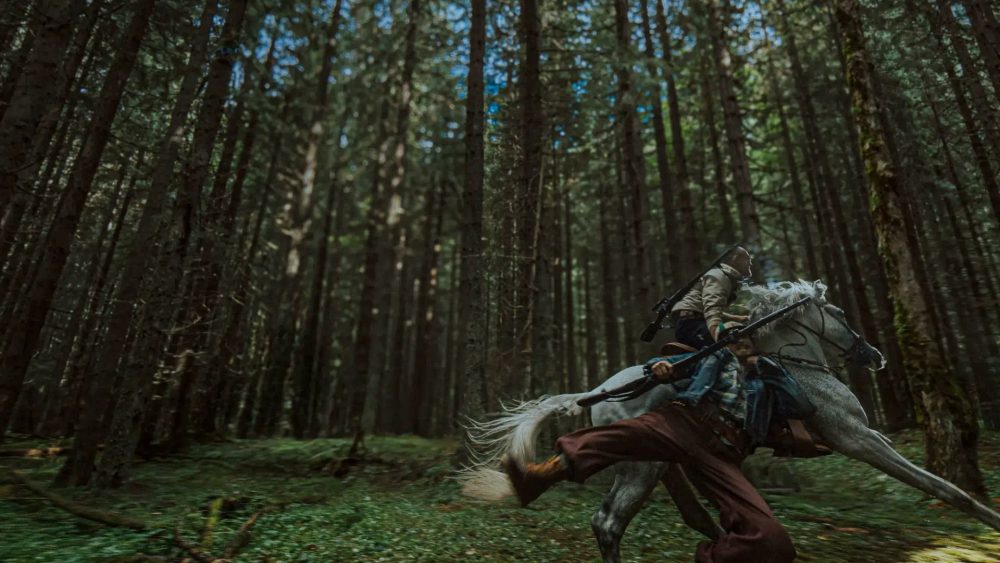
Tra cacciatori dispersi nei boschi, inseguimenti e massacri, gli abitanti di Hope Harbor tentano di sopravvivere a un’invasione sempre più incontrollabile. Intanto, all’orizzonte, una gigantesca nave spaziale incandescente perfora l’atmosfera terrestre provocando un’esplosione da Armageddon. In questi alieni finiamo per specchiarci noi stessi: la netta, manichea e rassicurante linea di separazione tra buoni e cattivi viene continuamente attraversata, fino quasi a dissolversi. Non è mai davvero chiaro chi sia la vittima e chi il carnefice.
Chi è il vero alieno?
E in una delle scene più spettacolari, la furia del mostro viene tradita dalle lacrime di dolore che sgorgano da uno sguardo profondamente umano. E allora chi è davvero l’altro? Chi è il vero alieno? Tra fughe rocambolesche e sterzate girate con una forza centrifuga quasi fisica, ogni colpo di fucile scarica anni di stress emotivo collettivo. Siamo noi davanti all’ignoto, mentre tentiamo disperatamente di sopravvivere e arrivare vivi alla fine della giornata. Nonostante tutto. Con speranza.
In un mondo giusto, la Palma d’Oro sarebbe già sua. Diranno che il film non ha stratificazione, che non affronta temi sociali o politici. E invece lo fa eccome, ma con un linguaggio diverso — e forse questo mondo sempre più addomesticato dai codici del conformismo culturale non è ancora pronto a leggerlo. Il fatto che non sia didascalico non significa che sia meno politico, anzi.
Finalmente qualcuno sceglie di raccontare il presente sopra le righe, in modo ingiusto, irriverente, brutale e ridicolo. Proprio come la vita. Dall’altra parte della competizione c’è anche l’attesissimo Minotaur del regista russo Andrey Zvyagintsev. E come ci ha detto una collega russa in fila prima di una proiezione: “E ti pare che, anche fosse un capolavoro, farebbero vincere un russo?” Vedremo se i fatti le daranno ragione. Per ora, noi facciamo il tifo per Hope e per la sua furiosa, sincera e accorata politica della sopravvivenza.
***
“Laughter Will Bury You”: Na Hong-jin’s Hope Takes Cannes by Storm
A burst of genres and visions that turns chaos into language and redefines the very meaning of contemporary cinematic experience.
A genuine coup de cœur for Hope, the new film by South Korean director Na Hong-jin. When it already seemed as if this Festival had been stillborn, Na Hong-jin arrives with an almost superhuman, liberating force. His long-awaited Hope is a colossal genre mash-up that blends horror, crime thriller, science fiction, fantasy, myth, action, and even philosophy. Through constant friction, unpredictability, and narrative twists, the film perfectly embodies the chaos of the present and the anxieties that define our time. It does so with ferocious irony and high-octane energy, pushing everything to the extreme in a triumph of near-orgasmic turbulence.
Na Hong-jin’s “exorcisms” work thanks to exquisitely controlled direction in the service of splatter detail, pitch-black humour, and continuous — and effective — pop references, from Avatar to Close Encounters of the Third Kind, via Tremors, and all the way to more recent titles such as Eddington and Sirat.
In a small South Korean town near the North Korean border, police chief Bum-seok investigates the mysterious mutilation of a cow before a violent alien creature begins to devastate the area. Between hunters lost in the woods, relentless chases, and massacres, the inhabitants of Hope Harbor try to survive an invasion that spirals increasingly out of control. Meanwhile, on the horizon, a gigantic incandescent spaceship pierces the atmosphere, triggering an Armageddon-like explosion.
Who is the real alien?
In these aliens, we ultimately see ourselves reflected: the clear, Manichean, and reassuring line between good and evil is constantly crossed, until it almost dissolves. It is never truly clear who the victim is and who the perpetrator. And in one of the most spectacular scenes, the monster’s rage is undercut by tears of pain that emerge from a profoundly human gaze. So who is the Other? Who is the real alien?
Between frantic escapes and sequences shot with an almost physical centrifugal force, every gunshot releases years of collective emotional pressure. It is us, confronted with the unknown, desperately trying to survive and make it to the end of the day. Against all odds. With hope.
In a just world, the Palme d’Or would already be his. Some will say the film lacks layering, that it does not engage with social or political themes. And yet it does — profoundly — but in a different language, one that perhaps this world, increasingly domesticated by the codes of cultural conformity, is not yet ready to read. The fact that it is not didactic does not make it any less political; quite the opposite.
Finally, someone chooses to depict the present in an excessive register — unfair, irreverent, brutal, and absurd. Just like life.
On the other side of the competition is the highly anticipated Minotaur by Russian director Andrey Zvyagintsev. And as a Russian colleague told us in line before a screening: “Even if it were a masterpiece, do you really think they would let a Russian win?” We shall see whether events prove her right. For now, we are rooting for Hope and for its furious, sincere, and deeply felt politics of survival.